
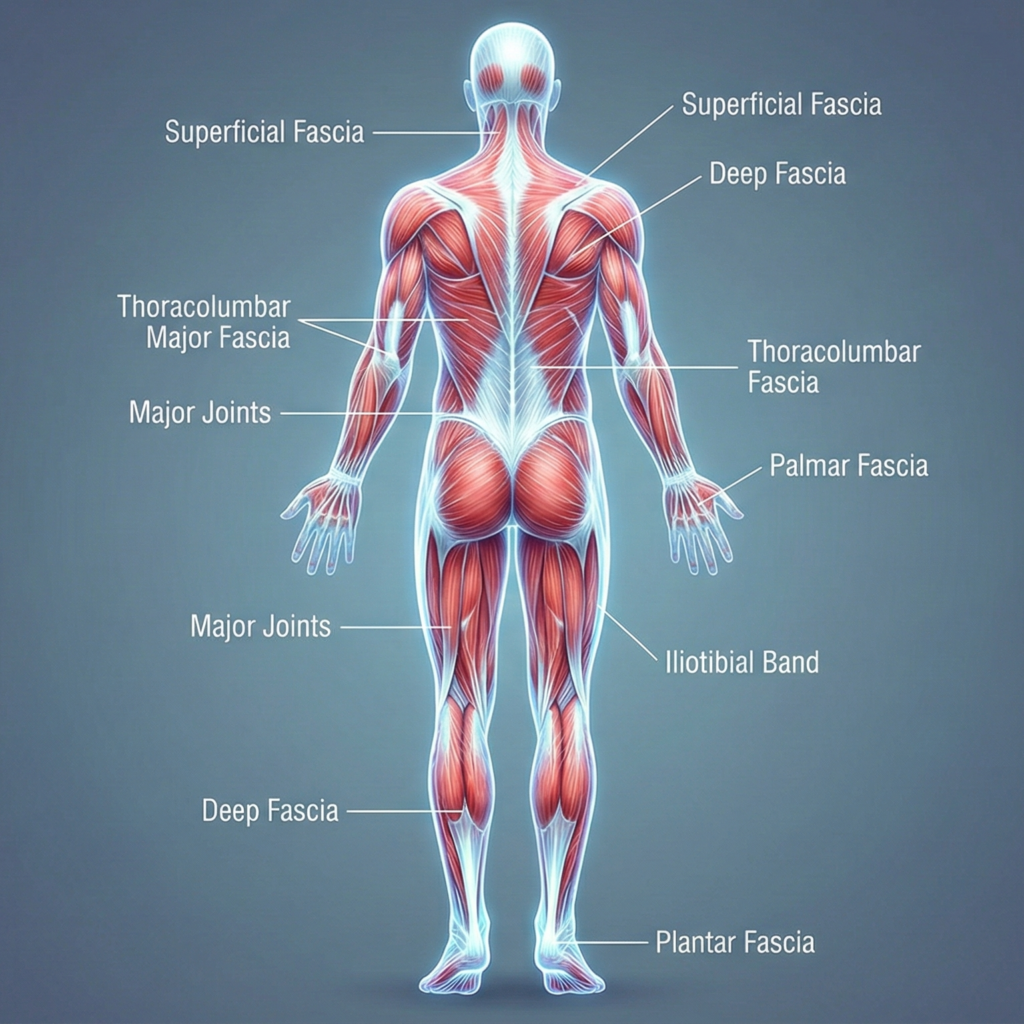
If you’ve been dealing with persistent back pain that just won’t quit—despite trying stretching, strengthening, and even massage—there’s a good chance you’re missing a critical piece of the puzzle: fascia training.
2026 is seeing a massive shift in how we approach pain and mobility, and fascia is finally getting the attention it deserves. At Strong For Life, we’ve been incorporating fascia work into our treatments for years, and the results speak for themselves.
What Is Fascia, and Why Should You Care?
Fascia is the connective tissue that wraps around every muscle, organ, and structure in your body. Think of it as a full-body web that holds everything together. When fascia becomes tight, restricted, or adhered, it can:
- Limit your range of motion
- Create chronic pain patterns
- Cause compensation injuries
- Make you feel stiff and “stuck”
Here’s the thing: you can have strong muscles and still be in pain if your fascia is restricted.
The Signs Your Fascia Needs Attention
You might have fascial restrictions if you experience:
- Persistent tightness that stretching doesn’t fix
- Pain that moves around or feels “deep”
- Stiffness after sitting or sleeping
- Limited mobility despite regular exercise
- Chronic neck, shoulder, or back tension
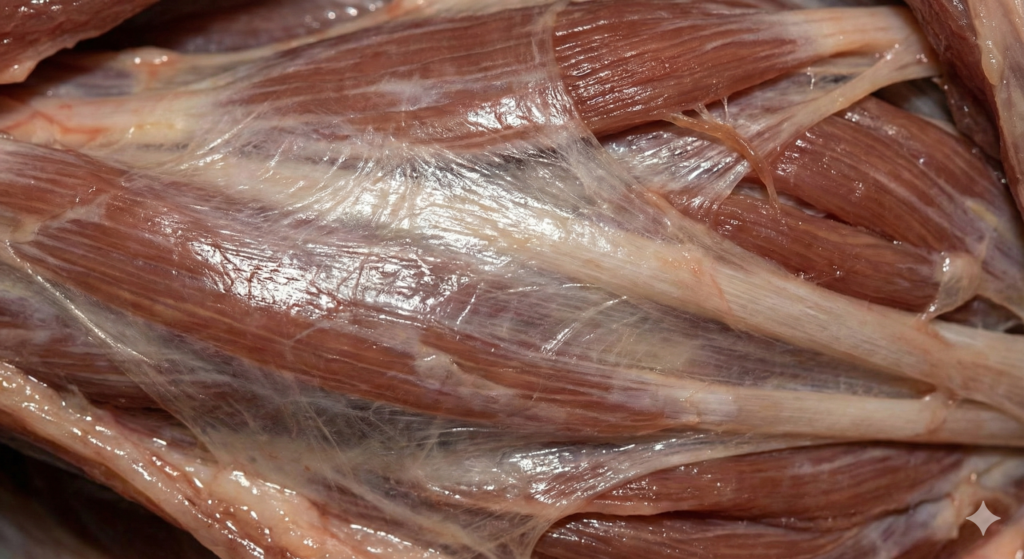
How We Address Fascia at Strong For Life
Our approach combines:
Sound familiar? You’re not alone. Many of our clients come to us after months—or even years—of treating symptoms without addressing the fascial component.
Hands-on fascial release techniques – We use specific manual therapy to break up adhesions and restore tissue mobility.
Cupping therapy – This creates negative pressure to lift and separate fascial layers, improving blood flow and reducing restrictions.
Targeted movement patterns – We teach you how to move in ways that keep fascia healthy and mobile long-term.
Integration with strength training – Building strength through full ranges of motion ensures your fascia stays supple and functional.
Why This Matters for Active People on the Costa del Sol
If you’re playing golf, padel, tennis, or training for triathlons, fascial health is non-negotiable. Restricted fascia leads to:
- Reduced power and performance
- Increased injury risk
- Slower recovery times
- Chronic compensations that create new problems
The good news? Fascia responds incredibly well to the right treatment approach.
What You Can Do Right Now
Move in multiple directions daily – Don’t just go forward and back. Rotate, twist, and move laterally.
Stay hydrated – Fascia needs water to stay pliable.
Avoid prolonged static positions – Sitting for hours creates fascial adhesions. Get up and move every 30-45 minutes.
Get assessed by a professional – If you’ve been dealing with persistent pain, it’s time to look deeper than just muscles.
Ready to Get Unstuck?
At Strong For Life, we don’t just treat your symptoms. We investigate the root cause—including fascial restrictions—and create a personalized plan to eliminate pain and restore full function.
With over 20 years of international clinical experience and a consistent 5-star reputation, we’ve helped hundreds of active people on the Costa del Sol get back to doing what they love, pain-free.
Book your assessment today and discover what’s really holding you back.
📍 Located in Calahonda, La Cala de Mijas
⏰ Appointments available 9am–7pm
Don’t let tight fascia steal another day of pain-free movement. Let’s fix it—for good.