
Why stress, digestion, sleep, pain, and even motivation can improve when your nervous system feels safe.
Most people think health is about muscles, joints, posture, or “fixing” what hurts.
But there’s another layer that quietly runs the whole show: your nervous system.
And one of the biggest players inside that system is a single nerve most people have never heard of… until their body starts sending signals they can’t ignore.
It’s called the vagus nerve.
When it’s working well, you tend to feel calmer, recover faster, sleep deeper, digest better, and handle stress with more control. When it’s not, life can feel like you’re constantly “on edge”—even if nothing is technically wrong.
What is the vagus nerve (and why should you care)?
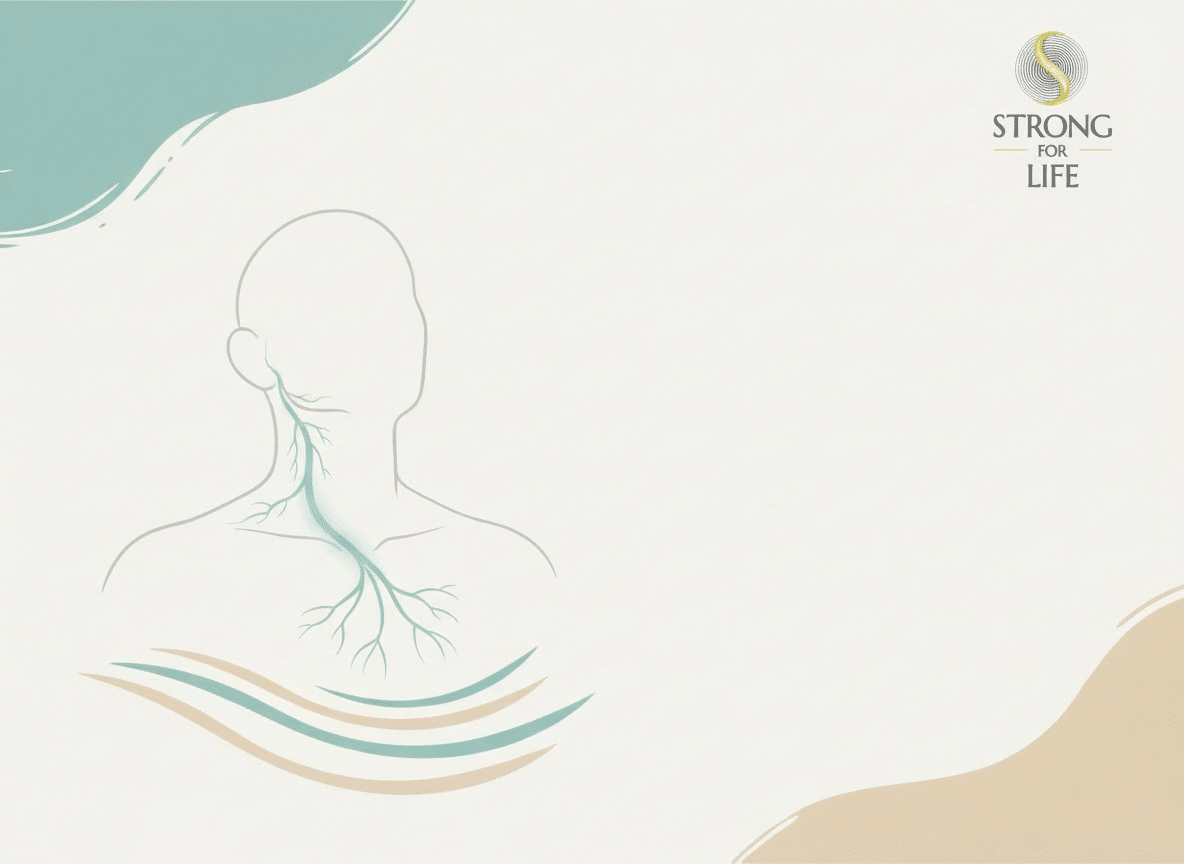
The vagus nerve is the main communication highway between your brain and your body.
It travels from the brainstem down through the neck and into the chest and abdomen—connecting with key organs like the heart, lungs, and digestive system.
Its job is strongly linked to your parasympathetic nervous system, often called “rest and digest.”
That’s the state where your body can:
- Relax and recover
- Reduce inflammation signals
- Slow the heart rate
- Improve digestion
- Regulate breathing
- Support better sleep
In other words: it helps your body feel safe enough to heal.
When the vagus nerve is underactive: how it can affect your life
A stressed nervous system doesn’t just create stress feelings—it can create real physical symptoms.
If your vagus nerve tone is low (meaning the system struggles to switch into calm/recovery), you might notice:
1) Stress that sticks around
You can finish a stressful day… but your body doesn’t “come down.” You’re tired, but wired.
2) Poor sleep or shallow recovery
You fall asleep but wake up unrefreshed. Or your mind keeps running at night.
3) Digestive issues
Bloating, irregular digestion, nausea, reflux—often worsened during stressful periods.
4) Faster heart rate, tension, shallow breathing
Your body stays in a mild fight-or-flight pattern: tight shoulders, clenched jaw, chest breathing.
5) Pain that doesn’t match the “damage”
This is a big one I see in clinic: pain that lingers longer than expected, or flares up with stress. Your nervous system can become protective—turning the volume up.
The vagus nerve and pain: the missing link most people overlook
Pain isn’t only about tissues.
It’s also about threat perception.
If your nervous system believes you’re under threat—stress, poor sleep, overload, fear of movement—it can increase sensitivity. That can show up as:
- Back pain that keeps returning
- Sciatica symptoms that flare with stress
- Neck and shoulder tightness that never fully releases
- Headaches linked to tension and breathing patterns
This doesn’t mean “it’s in your head.” It means your body is doing its job—protecting you—just sometimes too aggressively.
A big part of long-term recovery is helping the body feel safe again.
How to support your vagus nerve (simple, real-world tools)
You don’t need complicated gadgets. You need consistency.
Here are a few practical ways to stimulate the vagus nerve and shift toward recovery:
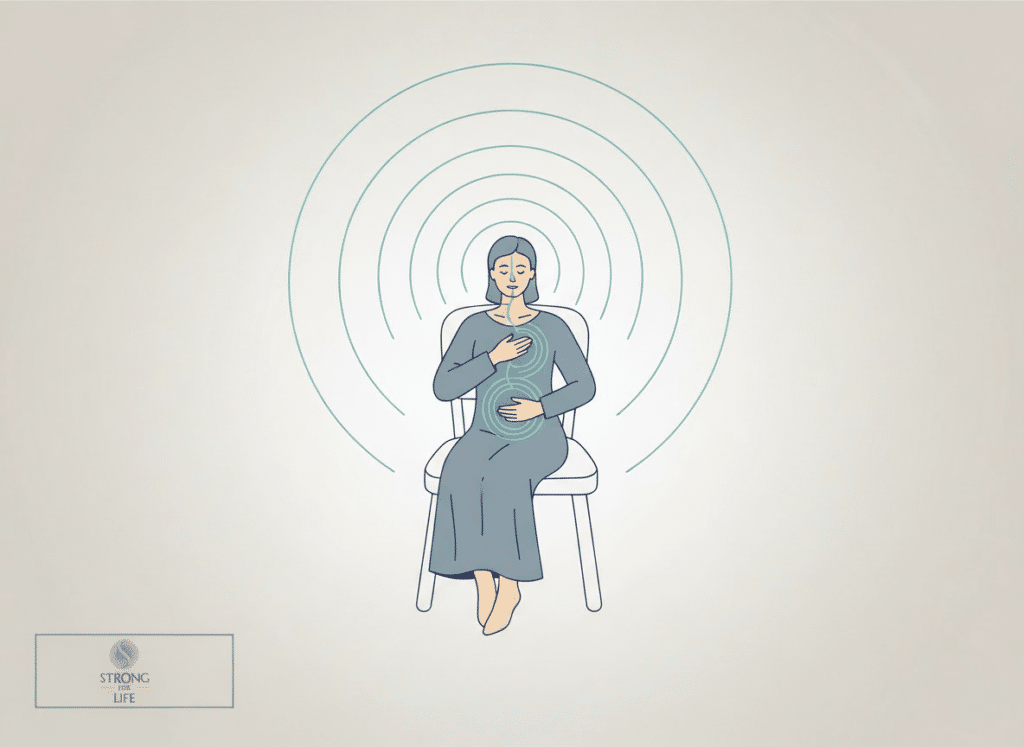
1) Slow breathing (the fastest reset)
Try this for 2–3 minutes:
- Inhale through the nose for 4 seconds
- Exhale slowly for 6–8 seconds
Longer exhales tell the nervous system: we’re safe.
2) Humming, singing, or gentle vibration
The vagus nerve connects with the throat area. Humming for 60 seconds can be surprisingly calming.
3) Cold exposure (gentle, not extreme)
A splash of cool water on the face or a cool shower finish can stimulate vagal response.
4) Movement that feels safe
Walking, mobility work, light strength training—especially when you focus on breathing and control.
5) Manual therapy + targeted rehab (when you’re stuck)
When pain has been around a while, your body often needs:
- Hands-on work to reduce protective tension
- Rehab to restore confidence and strength
- A plan that addresses the root cause, not just symptoms
That’s where professional assessment matters—because the right approach is different for everyone.
The real goal: better “vagus nerve tone”
Think of vagus nerve tone like fitness.
You don’t “fix it” once—you build it.
And as it improves, many people notice:
- Calmer baseline mood
- Fewer flare-ups
- Better digestion
- Deeper sleep
- Improved resilience under stress
- Faster recovery after training or injury
That’s not just wellness talk. That’s your body doing what it was designed to do.
If you’re dealing with pain + stress, start here
If you’re stuck in a loop of pain, tension, poor sleep, and stress, it’s rarely just one thing.
The fastest progress usually happens when we combine:
- Proper assessment
- Hands-on treatment where needed
- Strength + rehab
- Nervous system regulation (breathing, recovery habits, consistency)
If you’d like help figuring out what’s driving your symptoms and what to do next, Strong For Life is here to help.